
You might have heard of Barramundi, but what is Barramundi exactly, and what makes it so special? This fish is more than just a meal; it’s a cultural icon in Australia — celebrated for its incredible flavour, versatility, and deep connection to the country’s waters and traditions.
Barramundi is widely regarded as one of Australia’s most iconic fish, with its name derived from an Aboriginal word meaning “large-scaled river fish.” With its rich history and diverse habitat, Barramundi has become a staple in Australian cuisine.
In this article, we’ll explore the origins, habitat, and why Barramundi is a favourite among Australians. By the end of this article, you’ll have a deeper understanding of what makes Barramundi so unique and cherished.
Key Takeaways
- Barramundi is a culturally significant fish in Australia.
- Its name originates from the Aboriginal language.
- Barramundi is a staple in Australian cuisine due to its rich history and diverse habitat.
- It’s a favourite among Australians for its unique characteristics.
- Understanding Barramundi provides insight into its importance in Australian culture.
What Is Barramundi? Australia’s Premier Native Fish
The Barramundi is more than just a fish; it’s an iconic symbol of Australia’s diverse waterways and a testament to the country’s rich indigenous heritage. As you explore the fascinating world of Australian native fish, you’ll discover that Barramundi holds a special place in the hearts of many Australians.
Scientific Classification and Physical Characteristics
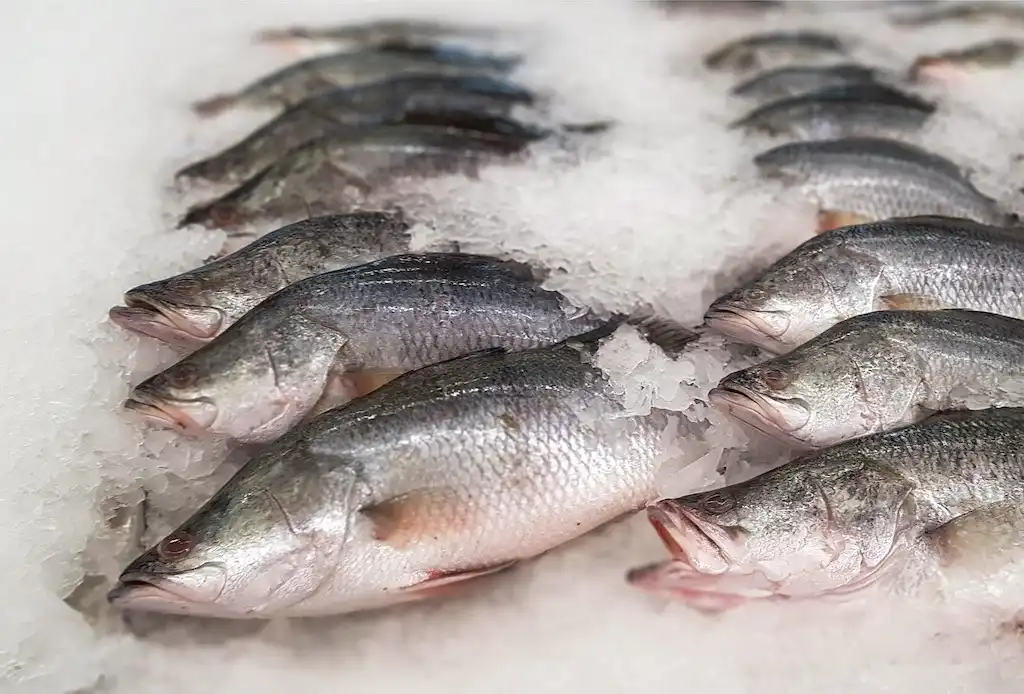
Scientifically known as Lates calcarifer, Barramundi belongs to the family Latidae. This species is renowned for its impressive size and robust body, characterized by large scales that glisten in shades of silver and grey. The Barramundi’s physical attributes make it a formidable fighter when caught, earning its reputation as a prized catch among anglers. For more information on Barramundi fishing, you can visit this page.
The Aboriginal Origins of the Name
The name “Barramundi” is derived from the Aboriginal language, meaning “large-scaled river fish.” This nomenclature reflects the deep connection between the indigenous people of Australia and this native species. The Aboriginal origins of the name highlight the significant cultural and historical importance of Barramundi in Australian heritage. It’s a name that not only identifies a fish but also tells a story of the land and its original inhabitants.
Understanding the scientific classification and physical characteristics of Barramundi, alongside the rich cultural context of its name, provides a comprehensive insight into why this fish is considered Australia’s premier native fish. Whether you’re an angler, a culinary enthusiast, or simply someone who appreciates the natural beauty of Australia’s waterways, Barramundi is a species that embodies the spirit of the country’s aquatic environments.
The Natural Habitat and Life Cycle of Barramundi
Barramundi are found in the northern Australian waters, where they inhabit a variety of environments, from freshwater rivers to saltwater coastal areas. This adaptability is a key factor in their success as a species.
Northern Australian Waters: The Barramundi’s Domain
The northern waters of Australia provide an ideal environment for Barramundi. They thrive in:
- Rivers and streams
- Estuaries and mangrove swamps
- Coastal areas and marine environments
This diverse range of habitats supports the different stages of their life cycle, from juvenile to adult.
From Saltwater to Fresh: The Remarkable Migration Pattern
One of the most fascinating aspects of Barramundi is their migration pattern. They migrate between saltwater and freshwater environments, a trait that makes them highly adaptable. This migration is crucial for their lifecycle, as it allows them to spawn and grow in different environments.
The migration pattern can be broken down into several key stages:
- Spawning in brackish or saltwater environments
- Larvae drifting into freshwater or brackish areas
- Juveniles growing in freshwater rivers and streams
- Adults migrating back to saltwater or brackish environments
What is Barramundi Farming in Australia
In addition to their natural habitat, Barramundi are also farmed in Australia, particularly in Queensland. Barramundi farming is a significant aquaculture activity, with most farms using ponds or sea cages. This farming not only supports the local economy but also provides a sustainable source of this popular fish.
The benefits of Barramundi farming include:
- Sustainable seafood production
- Job creation in regional areas
- Opportunities for eco-tourism
Cultural Significance of What is Barramundi in Australia
The cultural significance of Barramundi in Australia is multifaceted, reflecting its importance in both traditional and modern contexts. You might be surprised to learn just how deeply Barramundi is ingrained in Australian culture, particularly among Indigenous communities.
Indigenous Australian Connection to Barramundi
For centuries, Barramundi has been a vital part of Indigenous Australian culture, serving not only as a significant food source but also featuring in various traditional practices and stories. The fish is often associated with ancestral beings and is considered a crucial element in the cultural and spiritual practices of many Indigenous communities.
“Barramundi is more than just a fish; it’s a symbol of our connection to the land and our heritage.” This sentiment is echoed in many Indigenous Australian communities, highlighting the deep-seated importance of Barramundi in their cultural identity.
| Cultural Aspect | Significance |
|---|---|
| Food Source | Barramundi has been a staple food for many Indigenous communities, providing sustenance and nourishment. |
| Traditional Practices | The fish features in various cultural ceremonies and practices, often symbolizing strength and resilience. |
| Storytelling | Barramundi is frequently mentioned in stories and legends, passing down cultural values and historical narratives. |
What is Barramundi in Modern Australian Identity
In modern times, Barramundi continues to play a significant role in Australian identity, often being the centrepiece of culinary dishes and cultural celebrations. Its importance extends beyond the kitchen, representing a connection to the country’s rich cultural heritage.
You can experience this cultural significance firsthand by trying Barramundi at an Australian restaurant or learning about its role in Indigenous culture. Whether it’s through a traditional meal or a modern culinary creation, Barramundi remains an integral part of Australia’s cultural fabric.
Key aspects of Barramundi in modern Australian culture include:
- Culinary innovation: Barramundi is often featured in contemporary Australian cuisine, showcasing its versatility and flavour.
- Cultural events: The fish is celebrated in various cultural festivals and events, highlighting its significance in Australian heritage.
- Environmental awareness: Efforts to sustainably manage Barramundi populations reflect a broader commitment to environmental stewardship in Australia.
What is Barramundi Fishing: A Beloved Australian Pastime
For many Australians, Barramundi fishing is a cherished national pastime that combines adventure with a deep connection to nature. Whether you’re a seasoned angler or just starting out, the thrill of reeling in a Barramundi in Australia’s vast and varied waterways is an experience like no other.
Prime Fishing Spots from Queensland to the Northern Territory
Australia’s northern regions are renowned for their exceptional Barramundi fishing. Queensland and the Northern Territory offer some of the most prized locations, with their rich aquatic landscapes providing ideal habitats for Barramundi.
- The mangrove-lined waters of Queensland’s coastal regions
- The Northern Territory’s rivers and billabongs, such as those found in Kakadu National Park
- The tropical waters of the Gulf of Carpentaria
These areas are not only abundant with Barramundi but also offer a unique and diverse fishing experience.
Seasonal Fishing Guide and Regulations
Understanding the seasonal patterns and regulations is crucial for sustainable Barramundi fishing. Fishing seasons and rules vary across different regions in Australia.
| Region | Fishing Season | Bag Limit |
|---|---|---|
| Queensland | Year-round, with some closures | 5 fish per person |
| Northern Territory | 1 November to 30 April | 4 fish per person |
It’s essential to check the local fishing regulations before heading out, as these can change and may include specific closures or restrictions.
Catch and Release Practices for Sustainability
Catch and release fishing is a vital practice for maintaining healthy Barramundi populations. By carefully handling and releasing Barramundi, anglers can help ensure the long-term sustainability of this iconic species.
Tips for effective catch and release:
- Use barbless hooks to minimize injury
- Handle fish gently and avoid touching their gills
- Release fish quickly to reduce stress
By adopting these practices, you can enjoy Barramundi fishing while contributing to the conservation of this beloved Australian fish.
What is Barramundi in Australian Cuisine
In the realm of Australian cuisine, Barramundi is a standout fish, cherished for its taste and nutritional benefits. This versatile fish has become a staple in many Australian kitchens, thanks to its delicate flavour and flaky texture.
Nutritional Profile and Health Benefits
Barramundi is not only a delight to the palate but also a nutritious choice. It’s rich in protein, making it an excellent option for those looking to increase their protein intake. Additionally, Barramundi is low in saturated fat, contributing to a heart-healthy diet. The fish is also a good source of various vitamins and minerals, including vitamin D and selenium, which play crucial roles in maintaining overall health.
Nutritional Highlights:
- High-quality protein for muscle repair and growth
- Low in saturated fats, supporting heart health
- Rich in vitamins and minerals, such as vitamin D and selenium
Popular Cooking Methods and Flavour Pairings
Cooking Barramundi is a straightforward process, thanks to its forgiving nature. One of the most popular methods is pan-frying, which brings out the fish’s natural flavours. Barramundi pairs well with a variety of flavours, from the brightness of lemon and herbs to the depth of garlic and butter. It’s also a great candidate for grilling or baking, offering a range of textures and flavours to suit any meal.
Some popular flavour pairings include:
- Lemon and herbs for a light, refreshing taste
- Garlic and butter for a rich, indulgent flavour
- Asian-inspired sauces for a bold, exotic twist
Signature Australian Barramundi Dishes
Barramundi has inspired a range of signature dishes in Australian cuisine. From simple grilled Barramundi served with a side of vegetables to more complex recipes featuring the fish as the centrepiece, there’s no shortage of ways to enjoy this versatile ingredient. One popular dish is Barramundi with a bush tomato sauce, combining the fish’s delicate flavour with the unique taste of Australian bush tomatoes.
Whether you’re a seasoned chef or a home cook, Barramundi offers endless possibilities for creating delicious, memorable meals that showcase the best of Australian cuisine.
You’ve explored the world of Barramundi, from its Aboriginal origins to its modern-day culinary uses. So, why is Barramundi Australia’s favourite fish? The answer lies in its unique combination of cultural significance, culinary versatility, and the special place it holds in the hearts of Australians. Whether you’re enjoying it on a plate or reeling it in from the water, Barramundi is an experience that connects you to the country’s rich heritage and natural beauty.
For more information on Barramundi, including its nutritional benefits and farming practices, you can visit The Fish Farmer. Barramundi is more than just a meal; it’s a symbol of Australian identity and a reminder of the country’s diverse and vibrant culture. Its mild flavour and flaky texture make it a favourite among chefs and home cooks alike, while its sustainability ensures that it will remain a staple in Australian cuisine for years to come.