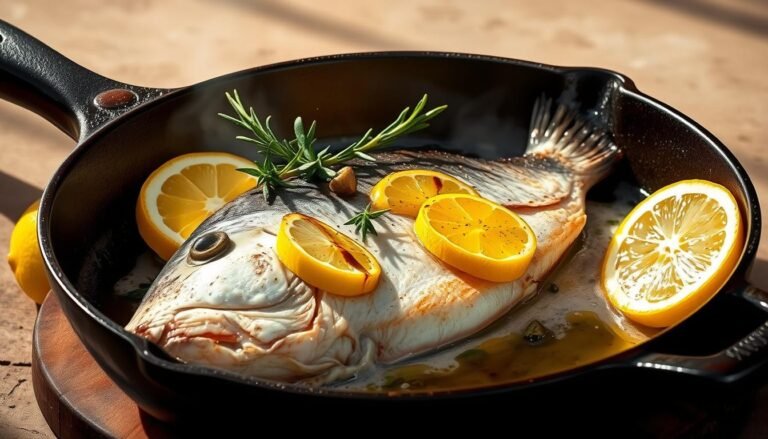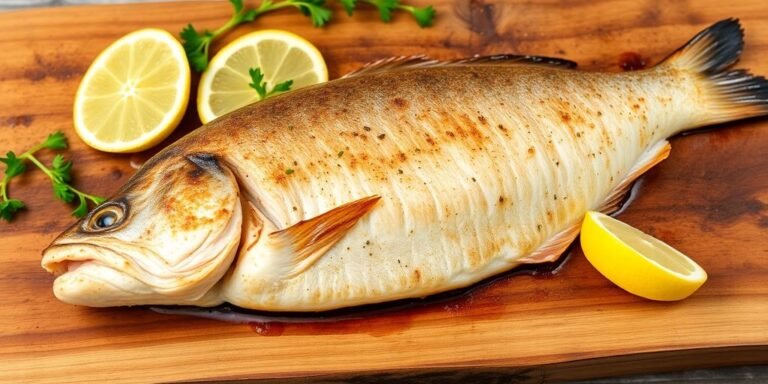
Are you ready to elevate your seafood cooking skills? Grilling barramundi is a popular dish in Australia, and with the right techniques, you can achieve juicy and flavorful results. According to recipes from renowned sources, grilling this fish requires attention to detail and proper preparation.
In this article, we’ll guide you through the process of grilling barramundi to perfection. You’ll learn about the benefits of grilling this fish, how to select the best barramundi recipe, and the techniques for achieving juicy results.
Key Takeaways
- Learn the benefits of grilling barramundi
- Discover how to select the best barramundi for grilling
- Master the techniques for achieving juicy results
- Understand the importance of proper preparation
- Follow a step-by-step guide for perfect grilled barramundi
Why Barramundi is Perfect for Grilling
When it comes to grilling fish, barramundi stands out as an exceptional choice. Its unique combination of nutritional benefits, texture, and flavour profile makes it ideal for this cooking method. You might be wondering what makes barramundi so special. Let’s dive into the details that make barramundi a top pick for grilling enthusiasts like you.
Nutritional Benefits of Barramundi
Barramundi is not only delicious, but it’s also packed with nutrients. It’s a high-protein, low-fat fish that’s rich in omega-3 fatty acids. These nutrients are essential for heart health and can help reduce inflammation. By choosing barramundi, you’re opting for a meal that’s both satisfying and good for you. The fish is also a good source of various vitamins and minerals, making it a nutritious addition to your diet.
Texture and Flavour Profile
The texture of barramundi is another reason it’s perfect for grilling. It has a firm texture that holds up well to the heat of the grill, without falling apart. This firmness also allows it to absorb flavours beautifully, making it versatile for various marinades and seasonings. When grilled, barramundi develops a nice char on the outside while staying moist on the inside, enhancing its natural flavour.
The flavour profile of barramundi is mild and slightly sweet, making it a great canvas for your favourite seasonings. Whether you prefer a simple seasoning of salt, pepper, and lemon, or a more complex marinade, barramundi can absorb and complement a wide range of flavours. This adaptability makes it a favourite among chefs and home cooks alike.
Selecting the Best Barramundi for Grilling
Selecting the right barramundi is crucial for a successful grilling experience. The quality of the fish you choose directly impacts the flavor, texture, and overall enjoyment of your meal.
Fresh vs Frozen Barramundi
When deciding between fresh and frozen barramundi, it’s essential to understand the differences. Fresh barramundi is often preferred for its texture and flavor, but frozen barramundi can be just as good if handled properly. Frozen fish is typically frozen soon after catching, preserving its freshness.
According to Kalyn’s Kitchen, “Frozen fish can be just as nutritious and flavorful as fresh fish if it’s been frozen correctly.” This makes frozen barramundi a viable option, especially when fresh is not available.
Key differences between fresh and frozen barramundi:
- Fresh barramundi has a firmer texture and more vibrant flavor.
- Frozen barramundi is often more affordable and can be stored for longer.
- Properly frozen barramundi retains its nutritional value and flavor.
What to Look for When Buying
Whether you’re buying fresh or frozen barramundi, there are several factors to consider. Look for fish with clear, bright eyes, and vibrant skin. The flesh should be firm to the touch and have a pleasant sea smell.
| Characteristic | Fresh Barramundi | Frozen Barramundi |
|---|---|---|
| Eyes | Clear and bright | N/A (check packaging for signs of freezer burn) |
| Skin/Flesh | Firm and vibrant | Firm, with no signs of thawing |
| Smell | Pleasant sea smell | No strong fishy smell |
Sustainable Barramundi Options in Australia
Sustainability is a crucial factor when choosing barramundi. Australia has robust aquaculture practices, and many farms are certified by organizations like the Australian Sustainable Seafoods.
“Sustainable seafood is not just about the environment; it’s also about ensuring a healthy and stable seafood industry for the future.” – The Gardening Cook
When shopping for barramundi, look for certifications that indicate sustainable practices. This not only supports environmentally friendly fishing but also ensures the long-term availability of this delicious fish.
Essential Preparation Before Grilling Barramundi
The secret to a delicious grilled barramundi lies in its preparation. Before you throw your fish on the grill, there are a few crucial steps to follow to ensure it’s flavourful and cooked to perfection.
Cleaning and Filleting Techniques
First, you need to clean and fillet your barramundi. Proper cleaning involves removing the scales, guts, and gills. To do this, start by rinsing the fish under cold water, then use a scaler or the back of a knife to remove the scales. Make a careful incision from the belly to the gills, remove the innards, and rinse the cavity thoroughly.
Filleting barramundi requires some skill. Make a cut along the spine, starting from the head towards the tail, and gently pry the fillet away from the bones. Repeat on the other side. You can find many online tutorials or recipes from trusted sources like Lana’s Cooking that provide detailed guidance on filleting fish.
Marinade and Seasoning Options
Marinating your barramundi is a great way to add flavor. You can use a variety of marinades, from simple mixes of olive oil, lemon juice, and herbs, to more complex blends involving soy sauce, garlic, and ginger. Kalyn’s Kitchen offers some excellent marinade recipes that you can try.
- Asian-style marinade with soy sauce and ginger
- Mediterranean mix with olive oil, lemon, and oregano
- Australian bush food-inspired marinade with lemon myrtle and Davidson’s plum
Preparing the Fish for the Grill
Once your barramundi is filleted and marinated, it’s time to prepare it for the grill. Pat the fish dry with paper towels to remove excess moisture, which helps achieve a nice sear. You can also brush the grill with oil to prevent sticking.
| Preparation Step | Purpose | Tips |
|---|---|---|
| Cleaning | Remove scales, guts, and gills | Rinse under cold water |
| Filleting | Remove fillets from bones | Cut along the spine carefully |
| Marinating | Add flavor to the fish | Use a mix of oil, acid, and herbs |
By following these steps, you’ll be well on your way to grilling a delicious barramundi that’s sure to impress. Remember, the key is in the preparation.
The Perfect Grilled Barramundi Technique
To grill barramundi like a pro, you need to master a few simple yet crucial techniques. Grilling barramundi requires attention to detail, particularly when it comes to setting up your grill, choosing the right heat method, and cooking the fish to the perfect temperature.
Setting Up Your Grill Properly
Before you start grilling, ensure your grill is clean and preheated to the right temperature. A clean grill prevents the fish from sticking and ensures even cooking. Preheating the grill to a medium-high heat, around 200°C to 220°C, is ideal for grilling barramundi.
Direct vs Indirect Heat Methods
Understanding the difference between direct and indirect heat is crucial when grilling barramundi. Direct heat involves placing the fish directly over the flames, which is great for achieving a nice sear on the outside. Indirect heat, on the other hand, involves cooking the fish away from the direct flames, which helps in cooking the fish evenly throughout.
For barramundi, starting with direct heat to sear the fish and then finishing with indirect heat can yield the best results. This method ensures a crispy exterior and a tender, cooked interior.
Ideal Cooking Times and Temperatures
Cooking barramundi to the right temperature is crucial. The internal temperature of the fish should reach 63°C to 65°C for it to be considered cooked. The cooking time will depend on the thickness of the fish and the heat of your grill.
| Fish Thickness | Cooking Time (Direct Heat) | Internal Temperature |
|---|---|---|
| 1-2 cm | 2-3 minutes per side | 63°C – 65°C |
| 2-3 cm | 4-5 minutes per side | 63°C – 65°C |
| 3-4 cm | 6-7 minutes per side | 63°C – 65°C |
How to Tell When Your Barramundi is Perfectly Cooked
Aside from checking the internal temperature, there are other ways to tell if your barramundi is cooked. The fish should flake easily with a fork, and it should be opaque and firm to the touch. If you’re still unsure, a simple test is to insert a fork into the thickest part of the fish and gently twist it; if it flakes easily, it’s done.
By mastering these techniques and understanding the ideal cooking times and temperatures, you’ll be well on your way to grilling barramundi like a pro. Happy grilling!
Common Mistakes to Avoid When Grilling Barramundi
Grilling barramundi can be a bit tricky, but knowing the common mistakes to avoid can make all the difference. By being aware of these pitfalls, you can ensure that your grilled barramundi turns out perfectly cooked and full of flavor.
Preventing the Fish from Sticking
One of the most frustrating issues when grilling barramundi is when the fish sticks to the grill. To prevent this, make sure your grill is clean and well-oiled before cooking. You can also lightly brush the barramundi with oil and season with salt and pepper to help it release from the grill more easily.
As Lana’s Cooking suggests, “a good quality non-stick grill or a well-seasoned cast-iron grill can make all the difference when cooking delicate fish like barramundi.” By taking these simple steps, you can ensure that your barramundi cooks evenly and doesn’t stick to the grill.
Avoiding Overcooking
Overcooking is another common mistake when grilling barramundi. To avoid this, it’s essential to keep an eye on the cooking time and temperature. Barramundi cooks quickly, so it’s crucial to check it frequently to prevent overcooking.
- Cook barramundi for 4-6 minutes per side, or until it reaches an internal temperature of 63°C.
- Use a thermometer to check the internal temperature, especially if you’re unsure.
- Don’t overcrowd the grill, as this can cause the fish to cook unevenly.
Troubleshooting Tips
Even with the best preparation, things can sometimes go wrong when grilling barramundi. Here are some troubleshooting tips to help you salvage your dish:
“If your barramundi is cooking too quickly, you can move it to a cooler part of the grill to finish cooking. If it’s not cooking evenly, you can try adjusting the heat or rotating the fish to ensure even cooking.” –
By being aware of these common mistakes and taking steps to avoid them, you can achieve perfectly grilled barramundi every time. Happy grilling!
Conclusion
Grilling barramundi is a rewarding experience that requires attention to detail and the right techniques. By following the steps outlined in this article, you can achieve juicy and flavorful results.
To recap, selecting the right barramundi, preparing it correctly, and using the perfect grilling technique are key to a successful dish. Avoiding common mistakes like overcooking and not preventing the fish from sticking will ensure your grilled barramundi turns out perfectly every time.
Now that you’ve learned how to grill barramundi to perfection, it’s time to put these skills into practice. With a little practice, you’ll be serving up delicious grilled barramundi that’s sure to impress. As you master the art of grilling barramundi, you’ll find it’s a great addition to your culinary repertoire, providing a summary of the techniques and tips you’ve learned.