When it comes to sustainable seafood, few fishes offer as much balance between flavour, nutrition and environmental responsibility as barramundi. Native to Australia and widely farmed under strict environmental standards, barramundi is increasingly seen as a low-impact, eco-conscious choice for fish lovers — a fish that supports healthy ecosystems while delivering excellent quality on the plate. In this article, we explore what makes barramundi sustainability more than a buzzword and why choosing responsibly farmed or managed barramundi matters for both the planet and your plate.
You might be wondering if barramundi is a sustainable choice. This fish is not only delicious, but it’s also rich in protein and omega-3 fatty acids, making it a popular choice among health-conscious consumers. In this guide, we’ll explore the importance of responsible eating and what you need to know about barramundi.
We’ll delve into the world of Australian seafood and examine the sustainability of barramundi, providing you with the knowledge you need to make informed choices.
Key Takeaways
- Understand the importance of sustainable seafood choices for ocean health.
- Learn about the nutritional benefits of barramundi.
- Discover the factors that influence the sustainability of barramundi.
- Explore the role of responsible eating in supporting eco-friendly seafood.
- Get insights into the Australian seafood industry and its practices.
What is Barramundi?
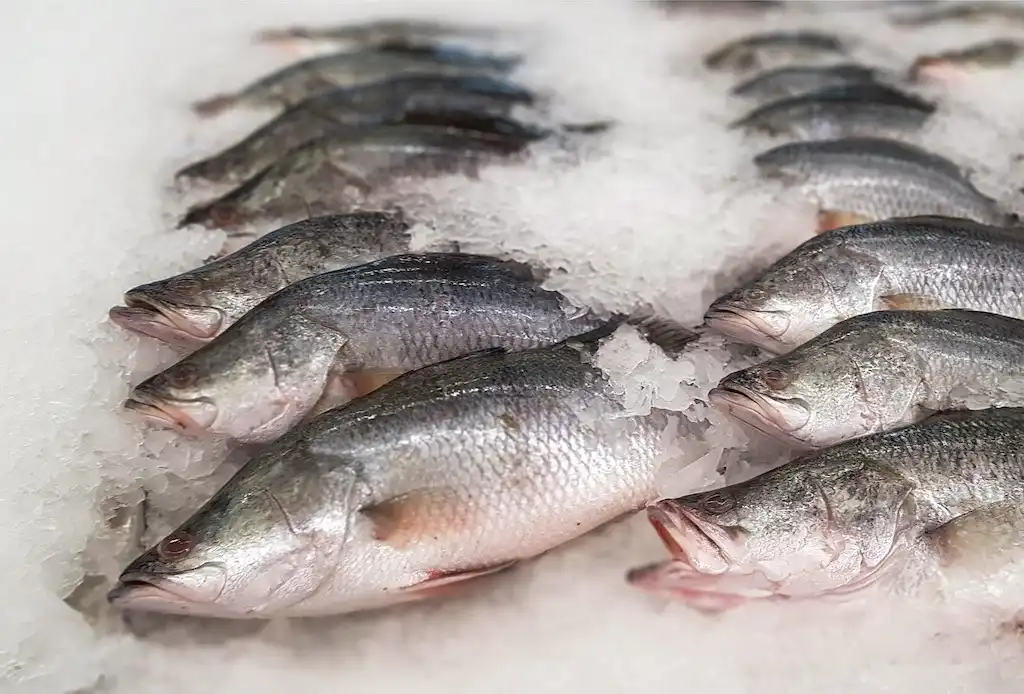
If you’re curious about barramundi, you’re about to discover its rich history and nutritional benefits. Barramundi is a fish species that has garnered attention for its mild flavor and high nutritional value, making it a popular choice in Australian cuisine.
Origin and Natural Habitat in Australian Waters
Barramundi is native to the Indo-Pacific region, and in Australia, it inhabits the northern waters, particularly in freshwater and brackish environments. For more detailed information on barramundi, you can visit Manettas to learn about its habitat and characteristics.
Nutritional Profile and Popularity in Australian Cuisine
Barramundi is not only delicious but also offers numerous nutritional benefits. It’s an excellent source of protein, low in fat, and rich in omega-3 fatty acids, making it a healthy addition to a balanced diet. Its popularity in Australian cuisine stems from its versatility in cooking and its ability to absorb flavors well, making it a favorite among chefs and home cooks alike.
Understanding Seafood and Barramundi Sustainability Criteria
To determine if barramundi is sustainable, we need to understand the broader criteria for seafood sustainability. Seafood sustainability encompasses various factors that determine the environmental, social, and economic impact of seafood production.
Environmental Impact Factors
Environmental impact factors are crucial in determining seafood sustainability. These include habitat damage, water pollution, and effects on biodiversity. Understanding these factors helps in assessing the overall sustainability of seafood.
Fishing and Farming Methods
Fishing and farming methods significantly influence seafood sustainability, including barramundi sustainability. Wild-caught fishing can have varying impacts depending on the methods used, such as bottom trawling or longlining. On the other hand, aquaculture or fish farming involves raising fish in controlled environments, which can reduce some environmental pressures but introduces others, like feed and waste management.
Certification Programs and Standards in Australia
Certification programs play a vital role in ensuring seafood sustainability. In Australia, organizations like the Marine Stewardship Council (MSC) and the Australian Sustainable Seafood Certification provide standards and certifications for sustainable seafood. These programs help consumers make informed choices by verifying that seafood is caught or farmed barramundi sustainably.
Barramundi Sustainability: Wild vs. Farmed
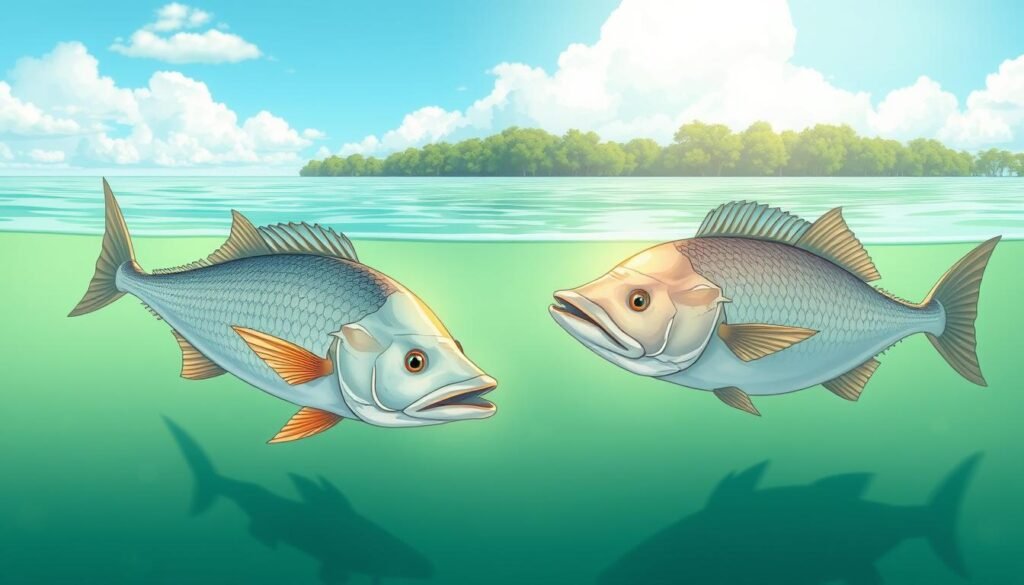
Making informed choices about barramundi involves understanding the barramundi sustainability implications of both wild-caught and farmed barramundi. As you consider your options, it’s essential to look at the differences between these two sources.
Wild-Caught Barramundi Status in Australian Waters
Wild-caught barramundi in Australian waters has a varying barramundi sustainability status. The fishery management practices in place play a significant role in determining this status. Some regions have robust management, while others may lack sufficient oversight.
The status can be broken down into several factors, including:
- Fishing quotas and regulations
- Habitat protection
- Monitoring and enforcement
| Region | Sustainability Status | Management Practices |
|---|---|---|
| Northern Australia | Stable | Robust quotas, habitat protection |
| Southern Australia | Varies | Mixed regulations, some habitat loss |
Barramundi Sustainability of Australian Farmed
Farmed barramundi in Australia is considered a more sustainable option compared to some wild-caught sources. The controlled environment of fish farms reduces the risk of overfishing and habitat damage.
- Lower environmental impact
- Improved feed conversion ratios
- Better disease control
By choosing farmed barramundi, you’re supporting a more sustainable seafood option.
Barramundi Sustainability Farming Methods in Australia
In Australia, barramundi farming has evolved to incorporate multiple techniques, ensuring a sustainable and thriving aquaculture sector. The country’s barramundi farmers employ a range of methods, each with its unique benefits and challenges.
Pond Farming Practices
Pond farming is one of the traditional methods used in Australian barramundi farming. This involves raising the fish in large, earthen ponds that mimic their natural habitat. Pond farming allows for a more natural environment, which can lead to healthier fish. However, it requires careful management of water quality and disease control.
Recirculating Aquaculture Systems (RAS)
Recirculating Aquaculture Systems (RAS) represent a more advanced and controlled approach to barramundi farming. RAS involves recycling and treating water to create a stable environment for the fish, minimizing water waste and reducing the risk of disease. This method allows for precise control over water quality and temperature, optimizing growth rates and reducing environmental impact.
Sea Cage Farming Along the Australian Coast
Sea cage farming is another significant method used in Australian barramundi aquaculture. This involves suspending cages containing the fish in the ocean, allowing them to grow in a natural marine environment. Sea cage farming can have a lower environmental footprint compared to some other methods, as it utilizes natural ocean currents for water exchange. However, it requires careful site selection and monitoring to prevent escapes and minimize interactions with wild species.
Each of these farming methods contributes to the diversity and resilience of Australia’s barramundi farming industry. By understanding the different approaches used, consumers can make more informed choices about the barramundi they purchase.
Environmental Impact of Barramundi Production
As you explore the world of sustainable seafood, understanding the environmental impact of barramundi production is crucial. Barramundi farming, particularly in Australia, has been recognized for its relatively low environmental footprint compared to other protein sources. Let’s delve into the key factors that contribute to this assessment.
Feed Conversion Ratio and Resource Efficiency
One of the significant advantages of barramundi farming is its feed conversion ratio (FCR), which measures how efficiently the fish convert feed into body mass. Barramundi have a relatively low FCR, meaning they require less feed to grow, thus reducing the demand on resources and minimizing waste. This efficiency is a critical factor in the barramundi sustainability of production.
Water Quality and Waste Management
Effective water quality and waste management are crucial in barramundi farming. Australian barramundi farms often employ advanced systems to manage water quality, including recirculating aquaculture systems (RAS) that minimize water exchange and reduce the risk of pollution. Proper waste management practices ensure that the environmental impact is further mitigated, maintaining healthy ecosystems around farming operations.
Carbon Footprint Compared to Other Protein Sources
When comparing the carbon footprint of barramundi to other protein sources, it becomes evident that barramundi production is relatively environmentally friendly. Studies have shown that barramundi farming generates lower greenhouse gas emissions compared to many terrestrial livestock farming operations. This is partly due to the efficient feed conversion and the lower energy requirements for farming barramundi.
In conclusion, the environmental impact of barramundi production is relatively low, making it a sustainable choice for consumers. By considering factors such as feed conversion ratio, water quality management, and carbon footprint, we can appreciate the efforts made in Australian barramundi farming to minimize environmental effects.
Australian Barramundi Industry Practices
You might be wondering how the Australian barramundi industry operates barramundi sustainably. The industry has implemented various measures to ensure its practices are environmentally friendly and sustainable.
Regulatory Framework and Compliance
The Australian barramundi industry is governed by a robust regulatory framework that ensures compliance with environmental and barramundi sustainability standards. The industry adheres to regulations set by government bodies, such as the Australian Fisheries Management Authority and the Department of Agriculture, Water and the Environment.
Key regulations include:
- Environmental impact assessments
- Water quality monitoring
- Compliance with aquaculture standards
| Regulatory Body | Responsibility |
|---|---|
| Australian Fisheries Management Authority | Manages fisheries resources |
| Department of Agriculture, Water and the Environment | Oversees environmental and aquaculture regulations |
Industry Sustainability Initiatives
The Australian barramundi industry has also taken proactive steps towards barramundi sustainability through various initiatives. These include improving feed conversion ratios, reducing waste, and implementing best practices in aquaculture.
By adopting these practices, the industry not only ensures the long-term viability of barramundi farming but also contributes to the overall health of the environment.
How to Choose Sustainable Barramundi in Australia
When shopping for barramundi in Australia, making a sustainable choice can be as simple as knowing what to look for. To ensure you’re getting sustainably sourced barramundi, there are a few key factors to consider.
Understanding Labels and Certifications
Look for certifications like Australian Seafood Certification or Best Aquaculture Practices. These labels ensure that the barramundi is sourced using environmentally friendly and responsible practices.
- Certification Labels: Check for recognized certifications that guarantee sustainable practices.
- Origin: Knowing where your barramundi comes from can help you understand barramundi sustainability.
Questions to Ask Your Local Fishmonger
Engaging with your local fishmonger can provide valuable insights into the barramundi sustainability. Ask questions like:
- Where is the barramundi sourced from?
- Is it wild-caught or farmed?
- What farming practices are used?
Best Sustainable Alternatives When Barramundi Isn’t Available
If barramundi is not available, consider other sustainable seafood options like Atlantic Salmon or Rainbow Trout. These alternatives are often farmed using sustainable practices and can be a great choice.
As we’ve explored, barramundi can be a sustainable seafood option when sourced responsibly. By understanding the differences between wild-caught and farmed barramundi, as well as the various farming methods used in Australia, you can make informed decisions about your seafood choices.
When choosing barramundi, look for certifications and ask your local fishmonger about the origin and production methods. This ensures you’re supporting responsible eating practices and contributing to a more sustainable seafood industry.
The Australian barramundi industry is taking steps towards more sustainable practices, including the use of recirculating aquaculture systems and improved waste management. By choosing sustainable barramundi, you’re not only enjoying a nutritious meal but also promoting environmentally friendly seafood production.
As a consumer, your seafood choices have the power to drive positive change in the industry. By prioritizing barramundi sustainability and responsible eating, you’re contributing to a healthier ocean and a more sustainable food system for future generations.