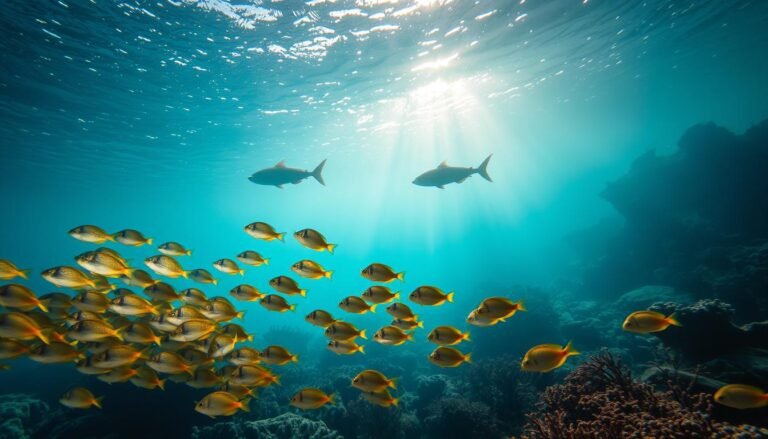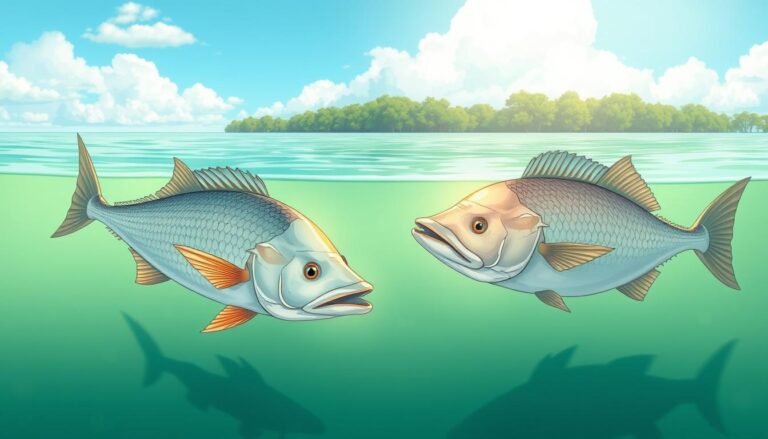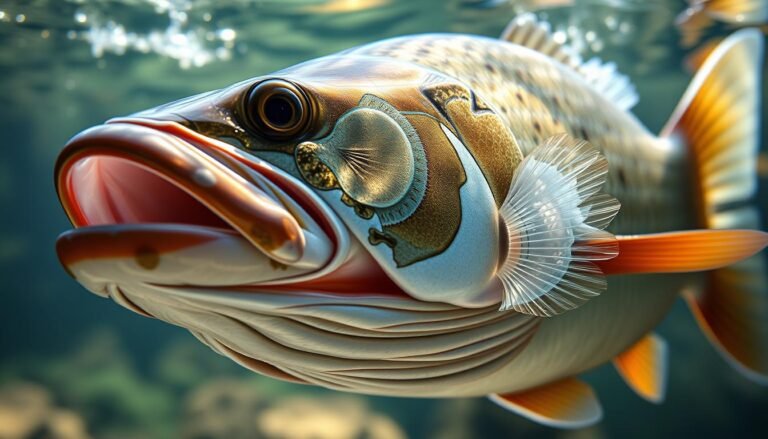
You’re about to dive into the fascinating world of barramundi, a species known for its impressive growth and size. These incredible fish can grow up to 1.8 meters in length and weigh around 60 kg, making them a popular catch among anglers.
As we explore the amazing facts about barramundi, you’ll discover the factors that influence their growth and learn more about their remarkable characteristics. Get ready to uncover the secrets behind these incredible creatures.
Key Takeaways
- Barramundi can achieve remarkable sizes, with lengths of up to 1.8 meters.
- The weight of barramundi can reach around 60 kg.
- Several factors influence the growth of barramundi.
- Understanding barramundi growth is essential for anglers and enthusiasts alike.
- Barramundi are a fascinating species with many interesting characteristics.
The Iconic Australian Barramundi: An Overview
As a species that’s both a prized catch and a culinary delight, the barramundi holds a special place in Australian culture. You might be wondering what makes this fish so significant. Let’s dive into the world of barramundi and explore their native habitat and importance in Australian cuisine.
Native Habitat and Distribution
Barramundi are found in coastal waters, estuaries, and rivers across Australia and Southeast Asia. They thrive in warm, tropical, and subtropical regions, making them a common sight in northern Australia. Their ability to adapt to different environments has contributed to their widespread distribution.
Importance in Australian Culture and Cuisine
The barramundi is not only a popular sport fish but also a highly valued ingredient in many Australian dishes. Its flavourful flesh makes it a delicacy in many cuisines. In Australian culture, barramundi is often served at special occasions, and its culinary versatility has made it a staple in many restaurants. You can enjoy barramundi grilled, baked, or pan-seared, and it’s a great addition to many recipes.
Understanding Barramundi Size: Maximum Growth Potential
The impressive dimensions that barramundi can achieve make them a fascinating subject for study and exploration. You might be surprised by just how big these fish can get, and understanding their size and growth patterns can be quite enlightening.
Average Size of Mature Barramundi
Mature barramundi typically range in length from 0.6 to 1.2 meters, showcasing their considerable size. This average length is a testament to their robust growth, influenced by various environmental and genetic factors.
Maximum Recorded Lengths and Weights
The maximum recorded length of barramundi is around 1.8 meters, a truly remarkable size. In terms of weight, the heaviest barramundi on record weighed an impressive 60 kg. Such extreme sizes highlight the potential for barramundi to grow into truly massive fish under the right conditions.
| Size Category | Length (meters) | Weight (kg) |
|---|---|---|
| Average Mature | 0.6 – 1.2 | Not Specified |
| Maximum Recorded | 1.8 | 60 |
Understanding these size metrics not only provides insight into the biology of barramundi but also underscores their appeal to both recreational anglers and commercial fisheries.
The Growth Cycle of Barramundi
The life journey of barramundi, from tiny eggs to mature adults, is a fascinating process. These incredible fish undergo a complex life cycle that involves various stages of development, from early life in brackish waters to maturity.
Early Life Stage Development
Barramundi start their lives as eggs in brackish water environments, such as estuaries and mangrove swamps. As they hatch, they develop into larvae and then juveniles, feeding on small invertebrates and gradually moving towards freshwater or remaining in brackish environments depending on the conditions.
Key characteristics of early life stage development include:
- Rapid growth during the larval stage
- Adaptation to different water conditions
- Dependence on abundant food sources
Adult Growth Patterns and Lifespan
As barramundi mature, they exhibit unique growth patterns. One remarkable aspect is their ability to change sex from male to female, a process known as protandrous hermaphroditism. This means that many barramundi start as males and transition to females as they grow larger and older.
The lifespan of barramundi can vary, but they typically live between 10 to 20 years in the wild, depending on environmental conditions and other factors.
| Life Stage | Characteristics | Typical Duration |
|---|---|---|
| Egg | Laid in brackish waters | Several days |
| Larvae | Rapid growth, feeding on small invertebrates | Several weeks |
| Juvenile | Continues to grow, adapting to water conditions | Several months to a year |
| Adult | Mature, capable of sex change | 10-20 years |
Factors Affecting Barramundi Size
The growth and size of barramundi are influenced by a combination of environmental, dietary, and genetic factors. Understanding these factors is essential for appreciating the complexity of barramundi growth and the challenges they face in different environments.
Environmental Influences
Environmental conditions play a significant role in determining barramundi size. Water temperature, quality, and availability of habitat can significantly impact their growth. For instance, barramundi thriving in warm, well-oxygenated waters with plenty of hiding spots tend to grow larger than those in less favorable conditions. As noted by a renowned fisheries expert,
“The health of barramundi populations is closely tied to the health of their ecosystems.”
Diet and Feeding Habits
Diet and feeding habits are another crucial factor affecting barramundi size. Barramundi are carnivorous, feeding on a variety of prey including fish, crustaceans, and insects. A diet rich in nutrients supports faster growth rates and larger sizes. A varied and abundant food supply is essential for barramundi to reach their full growth potential.
Genetic Factors
Genetic factors also play a role in determining barramundi size. Different populations may have genetic predispositions that influence their growth rates and maximum sizes. Research into the genetic diversity of barramundi populations can provide insights into the potential for growth in different regions.
By considering these factors, we can gain a deeper understanding of what influences barramundi size and how to support healthy growth in both wild and farmed environments.
Wild vs Farmed: Comparing Barramundi Size
You might be surprised at how the size of barramundi varies between their natural habitat and fish farms. The difference is largely due to factors like diet, environment, and farming practices.
Wild Barramundi Growth Characteristics
Wild barramundi can grow to varying sizes depending on their habitat. In optimal conditions, with plenty of food and suitable water quality, they can reach impressive lengths and weights. Factors like water temperature and availability of prey play a significant role in their growth.
Aquaculture and Farmed Barramundi Dimensions
Farmed barramundi, on the other hand, are raised under controlled conditions that can influence their growth rate and size. Aquaculture practices often focus on optimizing feed and environmental conditions to promote healthy growth. As a result, farmed barramundi can exhibit consistent size characteristics, although they may differ from their wild counterparts.
Understanding these differences is crucial for both consumers and producers, as it impacts the quality and characteristics of the barramundi available in the market.
Amazing Facts About Barramundi Size
You might be surprised by the amazing facts about barramundi size and their growth patterns. Barramundi are a species of great interest, not just for their size, but also for their unique biological characteristics.
Sex Change and Its Impact on Size
One of the fascinating aspects of barramundi biology is their ability to change sex from male to female, a process known as protandrous hermaphroditism. This sex change can impact their size, as larger females often dominate the population.
As noted by a fisheries expert, “The ability of barramundi to change sex is a remarkable adaptation that allows them to thrive in various environments.”
This adaptation is crucial for the survival of the species, as it ensures a balanced sex ratio within the population.
Regional Size Variations Across Australia
Barramundi size can vary significantly across different regions of Australia. Factors such as water temperature, diet, and habitat quality contribute to these regional variations.
| Region | Average Length (cm) | Average Weight (kg) |
|---|---|---|
| Northern Australia | 60 | 4 |
| Southern Australia | 50 | 3 |
Record-Breaking Catches in Australian Waters
Australia has seen its fair share of record-breaking barramundi catches. Anglers often marvel at the size of these fish, with some catches exceeding 20 kg.
Notable Record: The largest barramundi ever recorded in Australian waters was caught in the Northern Territory, weighing an impressive 22 kg.
These amazing facts about barramundi size highlight the incredible diversity and resilience of this species. Whether you’re an angler or simply a nature enthusiast, the barramundi is sure to captivate with its remarkable characteristics.
Conclusion: The Impressive Nature of Barramundi
You now have a deeper understanding of the impressive barramundi, a species remarkable for its size and growth patterns. Throughout this article, we’ve explored the various factors influencing barramundi size, from environmental conditions to genetic factors, and highlighted some amazing facts about these incredible fish.
The barramundi growth cycle is fascinating, with these fish capable of reaching significant sizes in both wild and farmed environments. Their barramundi characteristics, such as the ability to change sex, add to their unique biology.
By appreciating the significance of barramundi in both the natural world and human cuisine, we can better understand the importance of conservation and sustainable fishing practices. As you’ve discovered, barramundi are not just an iconic Australian species but also a vital part of the ecosystem.