If you’re curious about the incredible Australian barramundi, you’re in the right place. These amazing fish inhabit the tropical rivers and estuaries across Northern Australia, including Queensland, the Northern Territory, and Western Australia.
Their natural habitats range from clear to turbid waters, typically within a temperature range of 26-30°C. As we explore further, you’ll discover the various environments where barramundi thrive, from coastal waters and estuaries to lagoons and rivers.
Different Barramundi Species: A Complete Species OverviewKey Takeaways
- Barramundi are found in tropical rivers and estuaries across Northern Australia.
- Their natural habitats include clear to turbid waters with temperatures between 26-30°C.
- They thrive in various environments, including coastal waters, estuaries, lagoons, and rivers.
- Understanding their habitats is crucial for conservation and fishing practices.
- Australia’s diverse waterways provide a unique environment for barramundi to flourish.
The Iconic Australian Barramundi: An Overview
The barramundi, with its elongated body and large mouth, is not only a prized catch for recreational anglers but also holds significant cultural value. You might be wondering what makes this fish so special. Let’s dive into the world of barramundi and explore their fascinating characteristics and importance.
Physical Characteristics and Lifecycle
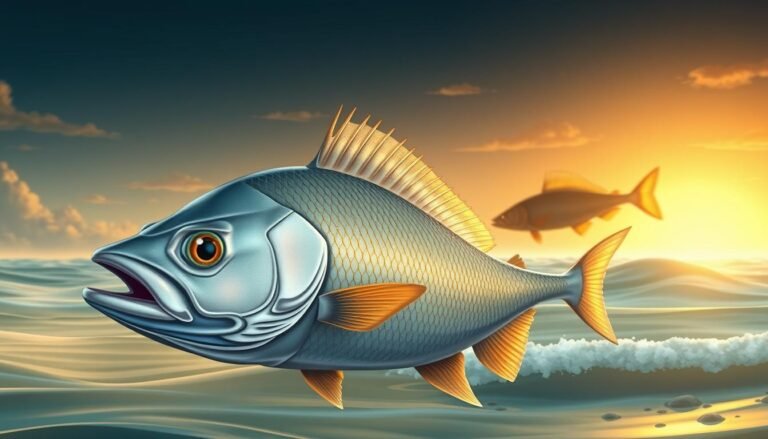
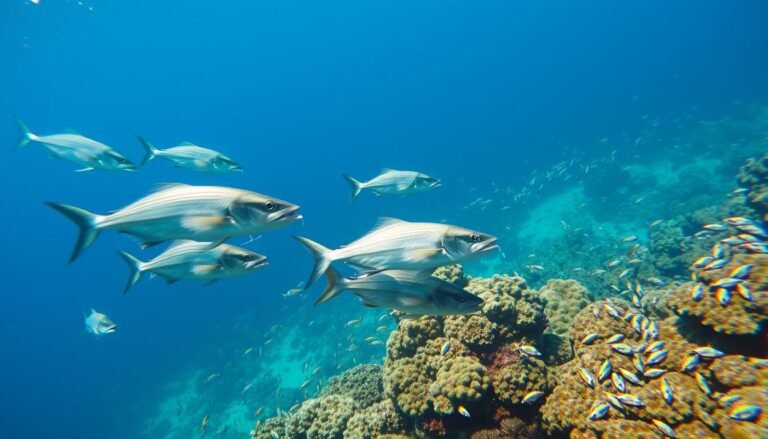
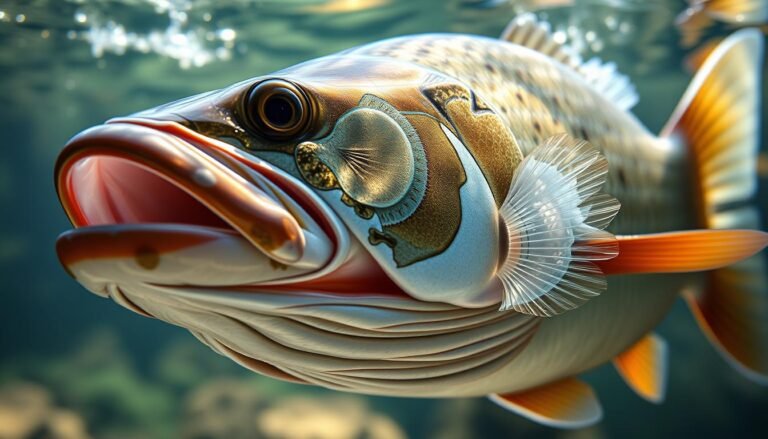
Barramundi have a distinctive elongated body form with a large, slightly oblique mouth and an upper jaw extending behind the eye. They are demersal, inhabiting coastal waters, estuaries, lagoons, and rivers. These fish are known for their remarkable lifecycle – they are catadromous, migrating from freshwater or brackish environments to saltwater to spawn. This unique lifecycle is a key aspect of their barramundi characteristics. As recorded, barramundi can grow up to 1.8 meters long and weigh about 60 kg, making them a formidable catch.
Cultural and Economic Significance
Barramundi hold significant cultural significance and economic importance in Australia and Southeast Asia. They are a prized catch for recreational anglers, contributing to local economies through tourism. Indigenous Australian communities have a deep connection with barramundi, featuring them in rock art and stories. For more information on barramundi, you can visit the Wikipedia page on Barramundi, which provides a comprehensive overview of this iconic species.
Natural Barramundi Habitat Across Northern Australia
As you explore the vast northern regions of Australia, you’ll discover the diverse habitats where barramundi thrive. The barramundi’s natural habitats span across Queensland, the Northern Territory, and Western Australia, each offering unique environments that support their lifecycle.
Queensland’s Tropical Rivers and Estuaries
Queensland’s waterways are a crucial part of the barramundi’s natural habitat. The state’s tropical rivers and estuaries provide ideal conditions for barramundi to breed and grow.
Fitzroy River and Rockhampton Region
The Fitzroy River is one of Queensland’s most significant barramundi habitats, offering a mix of freshwater and brackish environments that support a healthy population.
Cape York Peninsula Waterways
The waterways of Cape York Peninsula are another vital habitat for barramundi, with their remote and pristine conditions creating an ideal environment for these fish to flourish.
Northern Territory Waterways
The Northern Territory is renowned for its barramundi fishing, with numerous waterways supporting large populations. The region’s vast and varied aquatic environments make it a barramundi stronghold.
Daly River System
The Daly River System is a key habitat for barramundi in the Northern Territory, featuring a complex network of rivers, billabongs, and floodplains that provide perfect conditions for barramundi to thrive. Research has shown that the use of otolith chemistry can help understand the migration patterns of barramundi in such complex systems, as highlighted in a study available here.
Western Australia’s Kimberley Region
Western Australia’s Kimberley region is home to some of the most pristine and untouched barramundi habitats in the country. The rugged and remote nature of this area creates an ideal environment for barramundi to thrive.
Environmental Factors Shaping Barramundi Distribution
The distribution of barramundi across Australia is influenced by several key environmental factors. Understanding these factors is crucial for managing their populations sustainably.
Water Temperature Requirements
Barramundi are stenothermal, meaning they thrive in a specific temperature range. They prefer water temperatures between 26-30°C, which is typical of the tropical and subtropical regions of Northern Australia.
Salinity Tolerance and Migration Patterns
Barramundi are euryhaline, capable of adapting to a wide range of salinity levels. They migrate to estuaries and tidal flats to spawn, preferring brackish or freshwater environments for certain stages of their lifecycle.
Seasonal Variations and Breeding Grounds
Seasonal changes significantly impact barramundi distribution. They breed in brackish environments, typically in estuaries and tidal flats, where adults migrate to spawn. The eggs and larvae develop in these areas before the young fish move into freshwater or brackish habitats.
By understanding these environmental factors, we can better manage barramundi populations and ensure their sustainability for future generations.
Artificial Barramundi Environments and Stocked Locations
Beyond their natural habitats, barramundi are thriving in artificial environments across Australia. These environments not only provide additional habitats for barramundi but also support recreational and commercial fisheries.
Southern Impoundments and Dams
In southern regions, various impoundments and dams have been stocked with barramundi, creating exciting fishing opportunities. These water bodies offer a unique chance to catch barramundi outside their natural range.
Lake Awoonga and Gladstone Region
Lake Awoonga, near Gladstone in Queensland, is a notable example of a stocked impoundment. It provides a popular fishing spot for both locals and tourists.
Tinaroo Dam in Far North Queensland
Tinaroo Dam, located on the Atherton Tablelands, is another significant location where barramundi are stocked. This dam offers a scenic fishing experience in a picturesque setting.
Urban Fishing Spots and Stocking Programs
Urban fishing spots, often supported by stocking programs, are becoming increasingly popular. These locations allow anglers to catch barramundi in or near urban areas, making the sport more accessible.
Commercial Barramundi Farms
Commercial barramundi farming is a significant industry in Australia and Southeast Asia. These farms not only supply seafood markets but also contribute to the conservation of wild barramundi populations by reducing fishing pressure.
Conservation Challenges for Barramundi Populations
Understanding the conservation challenges facing Barramundi is essential for their survival. As we delve into the world of these iconic Australian fish, it becomes clear that their populations are under threat from various environmental and human-induced factors.
Habitat Degradation and Water Quality Issues
One of the significant threats to Barramundi populations is habitat degradation. Human activities such as land clearing, dam construction, and pollution have altered their natural habitats, making it difficult for them to thrive. Water quality issues, including increased sedimentation and nutrient runoff, further exacerbate the problem.
For instance, in Queensland’s tropical rivers, the degradation of mangrove forests has reduced the availability of breeding grounds for Barramundi.
| Region | Main Threat | Impact on Barramundi |
|---|---|---|
| Queensland’s Tropical Rivers | Mangrove deforestation | Reduced breeding grounds |
| Northern Territory Waterways | Pollution from agricultural runoff | Deterioration of water quality |
| Western Australia’s Kimberley Region | Habitat destruction due to mining | Loss of habitat diversity |
Overfishing and Sustainable Management Practices
Overfishing is another major concern for Barramundi conservation. The implementation of sustainable management practices is crucial to ensure the long-term viability of their populations. This includes measures such as catch limits, size restrictions, and closed seasons to allow for spawning.
“Sustainable fishing practices are not just beneficial for the fish; they’re essential for the livelihoods of communities that depend on them.” – Fisheries Manager
Climate Change Impacts on Traditional Ranges
Climate change poses a significant risk to Barramundi populations by altering their traditional ranges. Changes in water temperature and flow patterns can disrupt their lifecycle, making it essential to develop climate-resilient conservation strategies.
As we move forward, it’s clear that addressing these conservation challenges will require a multi-faceted approach, involving government agencies, local communities, and conservation organizations working together to protect this iconic species.
Conclusion: Ensuring the Future of Australia’s Barramundi
As we conclude our exploration of barramundi habitats across Australia, it’s clear that ongoing conservation efforts are crucial for the future of these incredible fish. By understanding their natural habitats, environmental requirements, and the challenges they face, we can work towards a sustainable future for barramundi.
You can contribute to barramundi conservation by supporting sustainable fishing practices and barramundi management initiatives. Recreational anglers, commercial fishermen, and conservationists must work together to protect barramundi populations and their habitats.
Effective barramundi management involves balancing human activities with the needs of these remarkable fish. By doing so, we can ensure that barramundi continue to thrive in their natural habitats and remain an integral part of Australia’s aquatic ecosystem.