When it comes to selecting the perfect barramundi, understanding the differences between fresh, frozen, wild, and farmed options is crucial. With the growing awareness of sustainable seafood, making an informed choice has never been more important.
The debate between fresh and frozen barramundi often centres around taste and nutritional value. However, the choice between wild-caught and farmed barramundi involves considering factors like environmental impact and fish welfare.
As consumers become more conscious of their seafood choices, knowing what to look for in a barramundi buying guide can make all the difference. This guide aims to provide you with the necessary insights to make a sustainable and satisfying choice.
Key Takeaways
- Understand the differences between fresh and frozen barramundi to make an informed choice.
- Consider the environmental impact of choosing between wild-caught and farmed barramundi.
- Look for sustainable seafood options that align with your values.
- Learn how to pick the best barramundi based on your needs.
- Make a more informed decision with our barramundi buying insights.

Understanding Barramundi: Australia’s Favourite Fish
In Australia, barramundi is more than just a fish – it’s a culinary icon celebrated for its versatility and taste. This beloved fish has captured the hearts of many Australians due to its unique characteristics and numerous benefits.
What Makes Barramundi Special
Barramundi is renowned for its flavourful flesh and high nutritional value. It boasts a mild, buttery taste that appeals to a wide range of palates. Additionally, barramundi is an excellent source of protein, omega-3 fatty acids, and various essential vitamins and minerals, making it a healthy choice for consumers.
Barramundi’s Culinary Popularity in Australia
The culinary popularity of barramundi in Australia can be attributed to its versatility in cooking. It can be prepared in numerous ways, including grilling, baking, and frying, making it a favourite among chefs and home cooks alike. Its firm texture holds up well to various cooking methods, and it pairs well with a variety of flavours, from simple lemon and herbs to complex sauces.
Fresh vs Frozen Barramundi: Pros and Cons
When it comes to choosing barramundi, consumers often find themselves torn between fresh and frozen options. Understanding the pros and cons of each can help make an informed decision.
Benefits of Fresh Barramundi
Fresh barramundi is prized for its superior texture and flavour. It is typically caught, processed, and sold within a short timeframe, ensuring maximum freshness. The texture is firm, and the flavour is rich and nuanced. Key advantages include:
- Superior texture and flavour
- Higher nutritional value due to minimal processing
- Often considered more premium by consumers
However, fresh barramundi is highly perishable and may have a shorter shelf life.
Advantages of Frozen Barramundi
Frozen barramundi offers several benefits, including a longer shelf life and greater availability. The freezing process helps preserve the fish, maintaining its quality over time. Key advantages include:
- Longer shelf life
- Greater availability throughout the year
- Often more affordable than fresh barramundi
While some may perceive frozen fish as inferior, modern freezing techniques ensure that the quality remains high.
Price and Availability Differences
The price and availability of fresh versus frozen barramundi can vary significantly. Fresh barramundi tends to be more expensive due to the logistical challenges of maintaining its freshness. Frozen barramundi, on the other hand, is often more affordable and widely available. Consumers should consider their budget and needs when deciding.
In conclusion, both fresh and frozen barramundi have their pros and cons. By understanding these differences, consumers can make informed choices that suit their preferences and needs.
Wild-Caught Barramundi: What You Need to Know
Wild-caught barramundi is renowned for its exceptional flavour and texture, making it a favourite among seafood connoisseurs. This preference is not just due to its taste; the fish’s firm texture and the variety of ways it can be prepared also contribute to its popularity.
Distinctive Flavour Profile and Texture
The flavour profile of wild-caught barramundi is often described as rich and buttery, with a hint of sweetness. Its firm texture holds up well to various cooking methods, from grilling to pan-searing. As noted by Sydney Fish Market, “the flavour of wild barramundi is unmatched, offering a culinary experience that is both rich and satisfying.”
Seasonal Availability in Australian Waters
Wild barramundi is typically more abundant in Australian waters during certain times of the year. The peak season varies depending on the region, but generally, the fish is more readily available during the warmer months. This seasonal variation affects its availability in markets and restaurants.
Sustainability Status of Wild Barramundi
The sustainability of wild-caught barramundi is a concern due to factors like overfishing and habitat degradation. However, many Australian fisheries are now adopting sustainable practices to ensure the long-term viability of barramundi populations. Consumers can look for certifications that indicate the fish was caught sustainably.
Some key points to consider when evaluating the sustainability of wild barramundi include:
- Checking for eco-labels and certifications from reputable organizations.
- Understanding local fishing regulations and practices.
- Supporting fisheries that adopt sustainable fishing methods.
Farmed Barramundi: A Sustainable Choice?
Farmed barramundi is emerging as a potentially sustainable alternative to wild-caught barramundi in Australian waters. As the demand for this popular fish continues to grow, understanding the implications of farming practices becomes increasingly important.
Australian Aquaculture Standards and Practices
Australian aquaculture is known for its high standards, with regulations in place to ensure that barramundi farming is conducted sustainably. Best practices include minimizing water pollution, reducing feed waste, and implementing robust biosecurity measures. These standards help maintain the health of the fish and the surrounding ecosystem.
Taste and Texture Comparison with Wild Barramundi
The taste and texture of farmed barramundi are often compared to those of their wild-caught counterparts. While some differences exist, farmed barramundi is praised for its consistent quality and flavor profile. Farmed barramundi tends to have a milder flavor and softer texture, making it a favorite among consumers who prefer a less intense fish taste.
Environmental Impact of Barramundi Farming
The environmental impact of barramundi farming varies depending on the practices employed. A comparison of different farming methods is shown in the table below:
| Farming Method | Water Usage | Feed Conversion Ratio | Environmental Impact |
|---|---|---|---|
| Recirculating Aquaculture Systems (RAS) | Low | High | Minimal |
| Pond-based Systems | High | Medium | Moderate |
| Sea Cage Systems | Very High | Low | Significant |
In conclusion, farmed barramundi can be a sustainable choice when produced using responsible aquaculture practices. Consumers should look for certifications and labels that indicate adherence to high environmental and quality standards.
Your Complete Barramundi Buying Guide
With various options available, buying barramundi requires a comprehensive guide to make the best choice. Whether you’re looking for fresh, frozen, wild, or farmed barramundi, understanding the key factors can enhance your dining experience.
Visual Indicators of Fresh Barramundi Quality
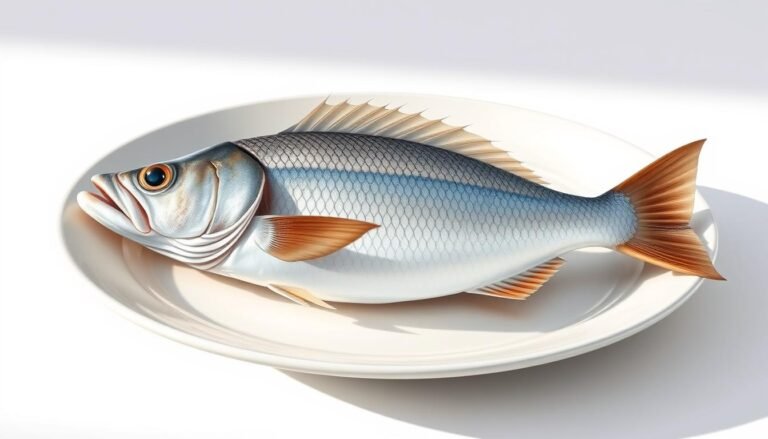
When purchasing fresh barramundi, look for clear visual indicators of quality. Fresh barramundi should have bright, clear eyes, and the flesh should be firm to the touch. The scales should be shiny and well-attached to the skin. Avoid fish with dull eyes, soft flesh, or signs of bruising.
- Bright, clear eyes
- Firm flesh
- Shiny, well-attached scales
How to Select Quality Frozen Barramundi Products
For frozen barramundi, the quality can be determined by the packaging and the freezing process. Look for products that are labeled as individually quick frozen (IQF) or flash frozen, as these methods help preserve the fish’s texture and flavor. Check the packaging for any signs of damage or freezer burn.
- Check for IQF or flash-frozen labels
- Inspect packaging for damage
- Avoid products with freezer burn
Understanding Sustainability Labels and Certifications
Sustainability labels and certifications are crucial when buying barramundi. Labels such as MSC (Marine Stewardship Council) or ASC (Aquaculture Stewardship Council) indicate that the barramundi is sourced or farmed sustainably. These certifications ensure that the seafood is harvested or produced with minimal environmental impact.
Where to Buy the Best Barramundi in Australia
In Australia, you can find high-quality barramundi at reputable seafood retailers, fish markets, and some supermarkets. Look for stores that source their barramundi from sustainable fisheries or farms. Some popular places include specialty fish markets and online seafood retailers that provide detailed information about their products’ origin and sustainability.
Nutritional Benefits of Barramundi
Barramundi is not only a delicious choice for seafood lovers, but it also packs a nutritional punch. This versatile fish is rich in protein, vitamins, and minerals, making it an excellent addition to a healthy diet.
Omega-3 Content and Heart Health Benefits
Barramundi is a good source of omega-3 fatty acids, which are essential for heart health. Omega-3s help reduce inflammation, improve blood lipid profiles, and prevent cardiovascular disease. Consuming barramundi regularly can contribute to a healthier heart and reduced risk of heart-related conditions.
Nutritional Comparison: Wild vs Farmed Barramundi
Both wild and farmed barramundi offer impressive nutritional profiles, but there are some differences. Wild barramundi tends to have lower fat content and higher levels of omega-3s due to their natural diet. Farmed barramundi, on the other hand, is often fed a controlled diet that can result in consistent nutritional quality.
Ultimately, both wild and farmed barramundi can be part of a healthy diet. When choosing between them, consider factors like sustainability, taste, and personal preference.
Preparing and Cooking Your Barramundi
Whether you’re a seasoned chef or a kitchen novice, barramundi is a versatile fish that’s easy to prepare. Its mild flavour and firm texture make it an excellent choice for a variety of cooking methods.
Best Cooking Methods for Different Cuts
Different cuts of barramundi lend themselves to various cooking techniques. For fillets, pan-searing or baking are popular methods, while whole barramundi is often cooked on the barbecue or in the oven. For more information on choosing between fillet and whole barramundi, visit this guide.
Classic Australian Barramundi Recipes
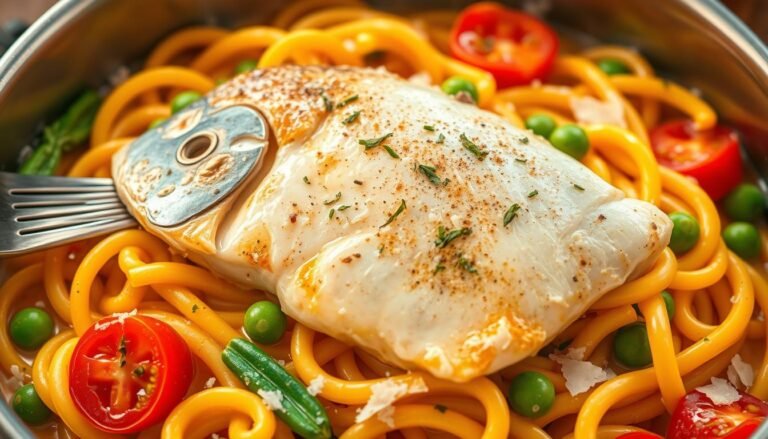
Australian cuisine offers a range of delicious barramundi recipes. A classic dish is barramundi baked with lemon, herbs, and olive oil. Another favourite is pan-seared barramundi served with a lemon myrtle sauce, showcasing native Australian flavours.
Complementary Flavours and Seasonings
Barramundi pairs well with a variety of flavours. Common seasonings include garlic, ginger, and lemon. For a more exotic taste, try combining barramundi with Asian-inspired flavours like soy sauce and sesame oil.
Understanding the differences between fresh, frozen, wild, and farmed barramundi is crucial for making informed purchasing decisions. By considering factors such as seafood quality and sustainable seafood practices, consumers can enjoy this versatile fish while supporting environmentally responsible practices.
A comprehensive barramundi buying guide should include visual indicators of quality, whether fresh or frozen, and an understanding of sustainability labels and certifications. This knowledge enables consumers to choose high-quality barramundi that aligns with their values and preferences.
As Australians continue to embrace barramundi in their culinary practices, the demand for sustainably sourced seafood is likely to grow. By choosing barramundi from reputable sources, consumers can enjoy a delicious and nutritious meal while contributing to the long-term sustainability of Australia’s seafood industry.