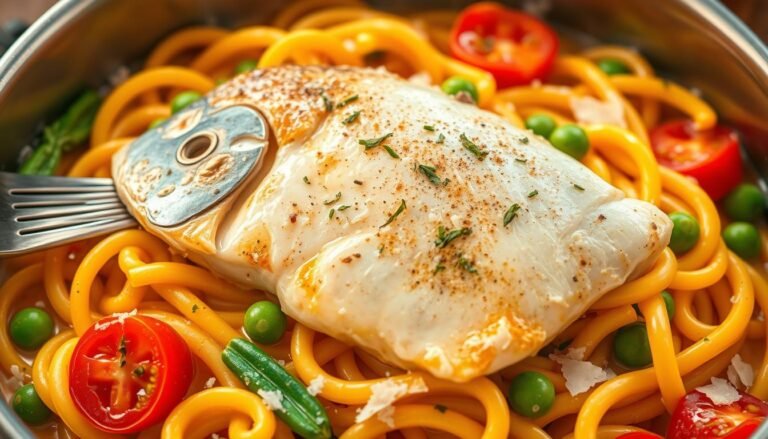
Planning a family meal can be a challenge, especially when it comes to determining the right serving size. barramundi, a nutritious fish rich in protein and omega-3 fatty acids, is an excellent choice for families seeking a healthy meal option.
Knowing the ideal barramundi portions is crucial to ensure everyone gets a satisfying serving without overcooking or wasting food. This guide will help you navigate the perfect serving size for your family, making mealtime easier and more enjoyable.
Key Takeaways
- Understanding the right serving size for barramundi is essential for a successful family meal.
- Barramundi is a nutritious and healthy option for families due to its high protein and omega-3 content.
- Proper portioning can help reduce food waste and save time during meal preparation.
- This guide provides a helpful resource for determining the ideal barramundi portions for your family.
- Planning meals around barramundi can be easy and enjoyable with the right serving size information.
Understanding Barramundi as a Family Meal Option
For families looking for a nutritious meal, barramundi is an excellent choice. It’s a mild, buttery white fish that is not only delicious but also packed with protein, omega-3 fatty acids, and other essential nutrients. Barramundi is a low-mercury and sustainable seafood choice, making it a popular option among health-conscious consumers.
Nutritional Profile of Barramundi
Barramundi is renowned for its impressive nutritional profile. It is an excellent source of protein, containing all the essential amino acids required by the body. Additionally, it is rich in omega-3 fatty acids, which are crucial for heart health and brain function. With its low mercury content, barramundi is a safer choice compared to other fish, making it suitable for all family members, including children.
Why Barramundi is Popular in Australian Households
Barramundi’s popularity in Australian households can be attributed to its mild flavor and versatility in cooking. Australians appreciate that barramundi can be prepared in various ways, from grilling to baking, making it a convenient meal option. Moreover, its sustainability and low environmental impact resonate with the eco-conscious values of many Australian families.
Recommended Barramundi Portions Per Person
Barramundi is a popular choice for family dinners, but how much should you serve per person? The ideal serving size can vary based on age, appetite, and the overall composition of the meal. A general guideline is to plan for about 150g of fresh fish per person, but this can be adjusted based on individual needs.
Adult Portion Sizes
For adults, a standard serving size of barramundi is typically around 150g to 200g per person. This amount can be adjusted based on individual appetites and activity levels. For example, an adult with a high activity level may require a larger portion, while a less active adult might need less.
Children’s Portion Sizes
Children’s portion sizes vary based on age. For younger children (under 6 years), a serving size of 100g to 120g is often sufficient. Older children (7-12 years) may require slightly larger portions, typically in the range of 120g to 150g.
Teenage Portion Considerations
Teenagers, especially those who are active, may have larger appetites. A serving size of 150g to 200g or more per teenager is common, depending on their age and activity level.
| Age Group | Recommended Barramundi Portion Size |
|---|---|
| Adults | 150g – 200g |
| Children (under 6) | 100g – 120g |
| Children (7-12) | 120g – 150g |
| Teenagers | 150g – 200g+ |
Factors That Influence Barramundi Serving Sizes
When planning a meal with barramundi, understanding the factors that influence serving sizes is crucial. The amount of barramundi to serve per person can vary significantly based on several key considerations.
Appetite and Activity Levels
Appetite and activity levels play a significant role in determining the right serving size. For instance, active individuals or those with larger appetites may require larger portions, while less active individuals or those with smaller appetites may need smaller servings. Here are some general guidelines to consider:
- For highly active individuals, consider serving sizes of 250-300 grams per person.
- For moderately active individuals, a serving size of 200-250 grams may be appropriate.
- For less active individuals, 150-200 grams per serving could be sufficient.
Cooking Method’s Impact on Portion Size
The cooking method can also impact the serving size. For example, grilling or baking can concentrate the flavors and make the fish more satisfying, potentially reducing the serving size needed. On the other hand, poaching or steaming may require slightly larger portions to achieve the same level of satisfaction.
Whole Fish vs Fillets: Calculating Differences
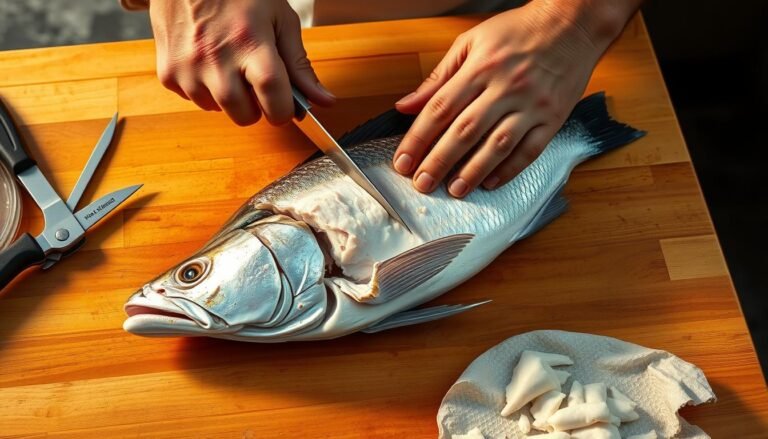
Whether you’re serving whole fish or fillets can significantly affect the serving size calculation. Whole fish include bones and heads, which add weight but not edible content. As a rule of thumb, whole fish should be calculated at about 30-40% more weight than fillets to account for the inedible parts.
By considering these factors, you can more accurately determine the appropriate barramundi serving size for your family meals, ensuring everyone is satisfied without excessive leftovers.
Planning Barramundi Portions for Family Meals
To ensure everyone gets a satisfying serving, understanding how to plan barramundi portions is key. Planning barramundi portions for family meals involves considering the number of people being served and their individual needs.
Small Family Serving Guide
For small families (2-3 people), a good rule of thumb is to plan for about 200-250 grams of barramundi per person. This can be adjusted based on individual appetites and whether you’re serving other protein sources alongside the barramundi.
- 2 people: 400-500 grams total
- 3 people: 600-750 grams total
Medium Family Serving Guide
Medium-sized families (4-5 people) can follow a similar guideline of 200-250 grams per person. For a family of four, consider purchasing a whole barramundi or fillets totaling around 800-1000 grams.
- 4 people: 800-1000 grams total
- 5 people: 1000-1250 grams total
Large Family Serving Guide
For larger families (6+ people), it’s often more practical to buy multiple smaller fish or larger fillets. A general guideline is to still plan for 200-250 grams per person, scaling up the total amount accordingly.
Example for 6 people:1200-1500 grams total, which could be achieved with 2-3 smaller barramundi or larger fillets.
Australian Sourcing Guide for Quality Barramundi
The quest for quality barramundi in Australia begins with understanding the sourcing options available. Australians have the advantage of choosing between wild-caught and farmed barramundi, each with its own set of benefits.
Wild-Caught vs Farmed Barramundi
Wild-caught barramundi is prized for its natural flavor and texture, having been caught in their natural habitat. On the other hand, farmed barramundi is considered a sustainable and low-mercury option, making it a popular choice for health-conscious consumers. Farmed barramundi is often more accessible and can be just as flavorful as its wild-caught counterpart.
| Characteristics | Wild-Caught Barramundi | Farmed Barramundi |
|---|---|---|
| Flavor | More robust, natural flavor | Milder, consistent flavor |
| Sustainability | Dependent on fishing practices | Generally considered sustainable |
| Mercury Levels | Variable mercury levels | Low mercury levels |
Seasonal Availability in Australia
The seasonal availability of barramundi in Australia varies, with the peak season typically occurring during the warmer months. Understanding these seasonal fluctuations can help consumers make informed decisions about when to purchase barramundi for the best flavor and freshness.
Local Fish Markets and Suppliers
For the freshest catch, Australians can rely on local fish markets and suppliers. These sources often provide high-quality barramundi, whether wild-caught or farmed, and can offer valuable advice on the best cooking methods. Visiting a local fish market can be a great way to ensure you’re getting the best barramundi for your family meals.
Preparing and Serving Barramundi Portions
Barramundi is a versatile fish that can be cooked in numerous ways, suiting different Australian tastes. This adaptability makes it a favorite among families and chefs alike. In this section, we will explore popular cooking methods, suggest complementary side dishes, and discuss storage and leftover considerations.
Popular Australian Cooking Methods
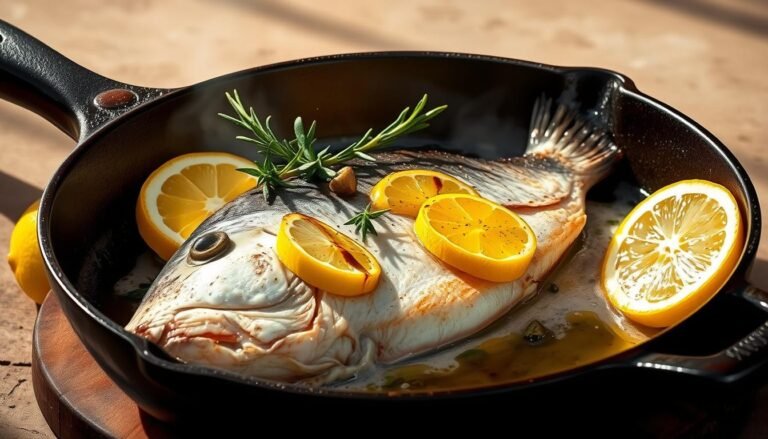
Australians enjoy cooking barramundi using various techniques, with grilling and baking being particularly popular. These methods not only bring out the best flavor in the fish but also offer healthy dining options.
Grilled Barramundi
Grilling barramundi adds a smoky flavor and a tender texture. It’s a simple method that involves seasoning the fish with herbs and grilling it until cooked through.
Baked Barramundi
Baking is another healthy option that allows for the fish to be cooked with a variety of seasonings and sauces, enhancing its flavor without adding extra fat.
Side Dishes That Complement Barramundi
Barramundi can be paired with a range of side dishes to create a well-rounded meal. Popular options include steamed vegetables, salads, and roasted potatoes. These sides complement the fish without overpowering its delicate flavor.
Read Also: The Best Sides for Barramundi: 15 Perfect Pairings
Storage and Leftover Considerations
Proper storage and handling of leftover barramundi are crucial for food safety. Cooked barramundi should be stored in the refrigerator within two hours of cooking and consumed within a day. Reheating should be done carefully to maintain the fish’s quality.
Conclusion: Enjoying Perfect Barramundi Portions
Understanding the ideal barramundi portions is crucial for a delightful family meal. By considering factors such as appetite, cooking method, and the number of people being served, you can determine the perfect serving size for your family.
With the guidelines provided, you can confidently plan and prepare barramundi for your family, ensuring everyone enjoys a satisfying meal. Whether you’re cooking for a small family or a large gathering, knowing the right barramundi portions will make all the difference.
By applying these simple guidelines, you can enjoy perfectly cooked barramundi that meets the needs of your family, making mealtime a enjoyable experience for all.