When it comes to choosing between wild and farmed barramundi, understanding the differences is key. You might be wondering about the nutritional benefits, environmental impacts, or taste differences.
As a popular choice in sustainable seafood, barramundi’s nutritional profile is impressive. But how does its origin affect its quality? In this article, we’ll explore the main differences between wild and farmed barramundi, helping you make an informed decision that suits your preferences and values.
Key Takeaways
- Understand the nutritional differences between wild and farmed barramundi.
- Learn about the environmental impacts of barramundi farming.
- Discover how the origin of barramundi affects its taste and quality.
- Make an informed decision based on your priorities.
- Explore the role of barramundi in sustainable seafood choices.
What is Barramundi?
For those looking to explore Australian seafood, barramundi stands out as a versatile and flavorful option worth trying. This native Australian fish has gained popularity not only for its culinary appeal but also for its nutritional benefits.
Origin and Characteristics
Barramundi is known for its mild flavor and flaky texture, making it a favorite among seafood enthusiasts. Let’s dive deeper into its origin and characteristics.
Native Distribution in Australia
Barramundi is predominantly found in the northern regions of Australia, thriving in both freshwater and coastal environments. Its adaptability to different aquatic conditions contributes to its widespread presence across the continent.
Physical Characteristics
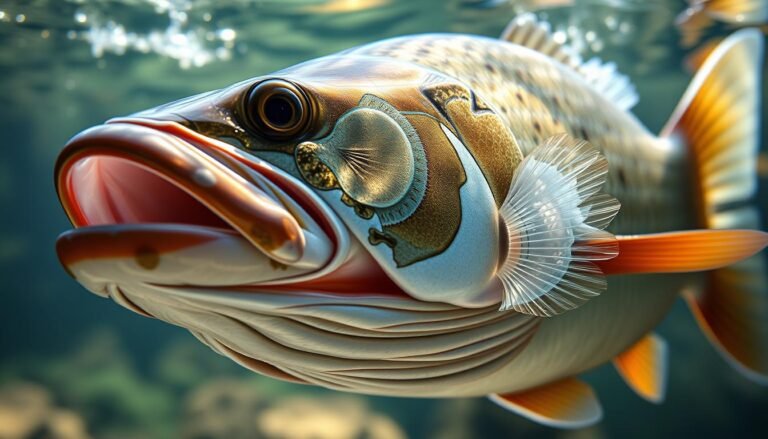
Characteristically, barramundi has a sleek, elongated body with a silver-green color, gradually fading to white towards the belly. The fish can grow significantly, with some species reaching up to 1.8 meters in length and weighing as much as 60 kilograms.
| Characteristics | Description |
|---|---|
| Native Distribution | Northern Australia, in both freshwater and coastal areas |
| Physical Appearance | Silver-green color, elongated body |
| Maximum Size | Up to 1.8 meters in length, weighing up to 60 kilograms |
Wild Barramundi: Nature’s Offering
Exploring the natural world of wild barramundi reveals the intricacies of their habitat and lifecycle. You might be surprised at how their environment influences their nutritional profile and taste.
Natural Habitat and Lifecycle
Wild barramundi inhabit a variety of aquatic environments, from estuaries to freshwater rivers and streams. Their lifecycle is closely tied to these habitats, where they feed on a diverse diet of smaller fish, crustaceans, and insects.
Estuarine and Freshwater Environments
These environments provide rich sources of nutrients that are essential for the growth and development of wild barramundi. The mix of salt and freshwater creates a unique ecosystem that supports a wide range of aquatic life.
Spawning and Migration Patterns
Wild barramundi migrate between estuarine and freshwater environments to spawn. This migration is crucial for their lifecycle, as it allows them to reproduce and ensure the continuation of their species. According to a study on barramundi’s nutritional benefits, their diet and migration patterns significantly impact their nutritional content.
| Habitat | Diet | Nutritional Benefit |
|---|---|---|
| Estuarine | Crustaceans, smaller fish | High in Omega-3 |
| Freshwater | Insects, small fish | Rich in Protein |
Farmed Barramundi: The Cultivated Alternative
The aquaculture industry has made significant strides in Australia, with farmed barramundi becoming increasingly popular. You might be wondering how this fish is cultivated and what it means for your dining experience.
Aquaculture Practices in Australia
Australian aquaculture is known for its strict environmental regulations, ensuring that farmed barramundi is produced sustainably. The industry focuses on minimizing its ecological footprint while maintaining high-quality fish production.
Major Farming Regions
The major farming regions for barramundi in Australia include Queensland and the Northern Territory. These regions offer ideal conditions for barramundi farming due to their warm climates and access to clean water.
Production Statistics
Australia produces a significant quantity of farmed barramundi each year. The production statistics highlight the growth of the aquaculture industry, with Australian fish farming contributing substantially to the country’s seafood supply.
By understanding the practices behind farmed barramundi, you can make informed choices about the seafood you consume. The combination of sustainable practices and high-quality production makes farmed barramundi an attractive option for those looking for environmentally friendly seafood choices.
Wild vs Farmed Barramundi: Taste and Texture
When it comes to barramundi, the debate between wild and farmed varieties often centres around their distinct taste and texture profiles. You might be wondering what sets them apart and how to make the most of your dining experience.
Flavour Profile Differences
The flavour profile of barramundi is a significant factor in its popularity. Wild barramundi is known for its rich, complex flavour, which is often described as having a deeper, more nuanced taste due to its varied diet and natural habitat.
Wild Barramundi Taste Notes
- A robust, slightly sweet flavour
- Hints of the ocean, with a subtle brininess
- A more pronounced umami taste due to its diverse diet
Farmed Barramundi Taste Notes
- A milder, cleaner taste profile
- Consistent flavour due to controlled feeding practices
- Often described as having a sweeter, more delicate flavour
In terms of texture, wild barramundi tends to have a firmer texture compared to its farmed counterpart. This is largely due to the active lifestyle of wild barramundi, which swims longer distances and has a more varied environment. Farmed barramundi, on the other hand, has a softer texture, which some people prefer for its tenderness.
Understanding these differences can help you make an informed choice based on your personal preferences. Whether you opt for the rich, complex flavour of wild barramundi or the milder taste of farmed barramundi, you’re sure to enjoy this versatile fish.
Nutritional Comparison
The nutritional profiles of wild and farmed barramundi reveal some key similarities and differences. Both types are excellent sources of protein and omega-3 fatty acids, making them a healthy addition to your diet.
When comparing the nutritional content, it’s essential to consider the differences in their diets and living conditions. Wild barramundi feed on a diverse diet of smaller fish, crustaceans, and insects, which contributes to their higher omega-3 fatty acid content.
Protein and Omega-3 Content
Both wild and farmed barramundi are rich in protein and omega-3 fatty acids. However, wild barramundi tends to have a higher omega-3 content due to their natural diet.
Protein Quality Analysis
- Both types provide high-quality protein essential for muscle repair and growth.
- Protein content is generally consistent across wild and farmed barramundi.
Essential Fatty Acid Profiles
Wild barramundi typically have a more favourable fatty acid profile, with higher levels of EPA and DHA, which are crucial for heart health and brain function.
Farmed barramundi, while still a good source of omega-3s, may have slightly lower levels of these essential fatty acids. However, many aquaculture practices are improving to narrow this gap.
In summary, both wild and farmed barramundi offer significant nutritional benefits, making them an excellent choice for those looking to incorporate more protein and omega-3 fatty acids into their diet.
Environmental and Sustainability Considerations
The sustainability of barramundi as a seafood choice hinges on understanding the environmental impacts associated with both wild fishing and farming practices. As consumers become more environmentally conscious, the demand for sustainably sourced seafood has increased.
Wild Fishing Impact
Wild fishing can have significant environmental impacts if not managed sustainably. Overfishing and habitat destruction are major concerns, but responsible fishing practices can mitigate these effects.
Population Management
Effective population management is crucial to prevent overfishing. Fisheries management practices, such as catch limits and closed seasons, help maintain healthy barramundi populations.
Ecosystem Effects
The ecosystem effects of wild barramundi fishing can be substantial. Fishing practices that damage habitats or result in bycatch can have long-term consequences on marine ecosystems.
To better understand the environmental impacts, let’s examine a comparison of wild and farmed barramundi:
| Criteria | Wild Barramundi | Farmed Barramundi |
|---|---|---|
| Habitat Impact | Potential habitat damage from fishing gear | Controlled environment minimizes habitat impact |
| Bycatch | Risk of bycatch with certain fishing methods | No bycatch as fish are raised in captivity |
| Feed Source | Relies on natural prey | Fed formulated feed, which can include sustainable ingredients |
By understanding these factors, you can make more informed choices about the barramundi you consume, supporting more sustainable seafood practices.
Selecting and Preparing Barramundi
Whether you’re a seasoned chef or a culinary newcomer, selecting quality barramundi is crucial for a delicious meal. When you’re at the market or store, you’re faced with choices between fresh and frozen options, and it’s essential to know what to look for.
How to Choose Quality Fish
Choosing the right barramundi involves more than just picking any fish off the shelf. You need to consider a few key factors to ensure you’re getting a high-quality product.
Fresh vs Frozen Options
Both fresh and frozen barramundi can be excellent choices, depending on your needs and preferences. Fresh barramundi is ideal for those who want to experience the fish at its most natural state, with a firmer texture and more vibrant flavor. On the other hand, frozen barramundi is often flash-frozen soon after catching, preserving its freshness and nutritional content.
Visual Indicators of Freshness
When selecting barramundi, there are several visual indicators to look out for to ensure you’re getting a fresh product. These include:
- Clear Eyes: Fresh barramundi should have clear, bulging eyes. Avoid fish with sunken or cloudy eyes.
- Firm Flesh: The flesh should be firm to the touch and spring back when pressed. Soft or mushy flesh is a sign of age or poor handling.
- Shiny Scales: Look for fish with shiny, metallic scales. Dull scales can indicate that the fish is not as fresh.
By paying attention to these factors, you can ensure that you’re selecting a high-quality barramundi that will result in a delicious meal. Whether you choose fresh or frozen, the key is to handle and store the fish properly to maintain its quality.
Conclusion
When deciding between wild and farmed barramundi, you have a lot to consider. Your priorities might include nutritional benefits, environmental concerns, and taste preferences. By understanding the differences between these two options, you can make a choice that aligns with your values and needs.
The debate between wild vs farmed barramundi ultimately comes down to what matters most to you. If you’re looking for a more natural, nutrient-rich option, wild barramundi might be the way to go. On the other hand, if you prioritize consistency and sustainability, farmed barramundi is a viable alternative that supports sustainable seafood choices.
As you make your decision, consider the environmental impact of your choice. By choosing barramundi from sustainable sources, you’re supporting eco-friendly fishing and farming practices. Whether you opt for wild or farmed barramundi, you’re making a positive impact on the seafood industry.